

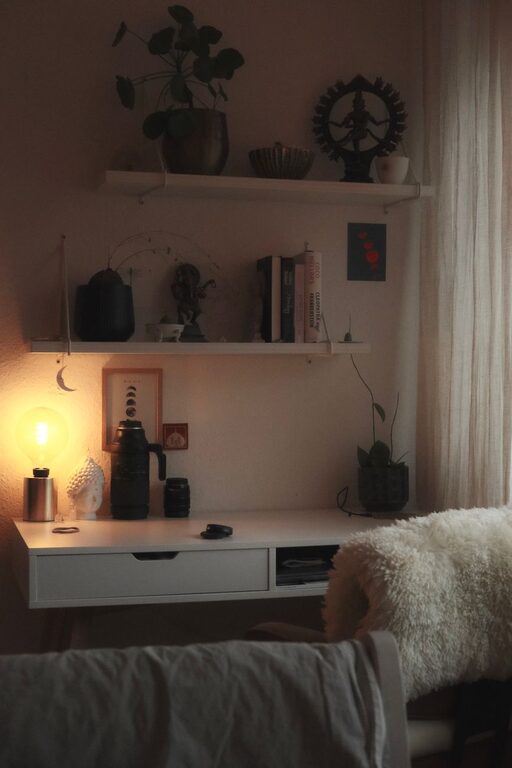
A home workspace should support your daily tasks without feeling cold, cluttered, or stressful. Whether you work from home full time, manage household projects, or need a quiet place for occasional tasks, a few thoughtful changes can make your space more comfortable and inviting.
A relaxing workspace does not need expensive furniture or a large room. The goal is to create an area that feels organized, pleasant, and easy to use. By choosing the right location, reducing visual distractions, and adding personal touches, you can build a workspace that helps you settle in and concentrate.
Choose the Right Location
The best workspace location depends on your home, schedule, and personal preferences. A separate room is helpful, but it is not essential. A quiet corner of a bedroom, living room, hallway, or dining area can work well when arranged carefully.
Look for a spot with:
- Enough room for your desk, chair, and basic supplies
- Good natural or artificial light
- Access to power outlets
- Limited foot traffic and noise
- A comfortable distance from distractions such as the television
If your home is busy, consider using a folding screen, bookcase, curtain, or open shelving unit to define the workspace. A visual boundary can help the area feel separate, even when it shares a room with other activities.
Start With a Comfortable Desk and Chair
Comfort is one of the most important parts of a relaxing workspace. Your desk should provide enough surface area for your computer, notebook, and other essentials without becoming overcrowded.
Choose a desk that fits the room and matches the way you work. A compact desk may be ideal for a laptop, while a wider surface can accommodate a monitor, writing materials, or creative projects. If you have limited space, consider a wall-mounted desk or a desk with built-in storage.
Your chair should support a relaxed, upright position. Look for features such as:
- A seat height that allows your feet to rest comfortably on the floor
- A backrest that supports your upper and lower back
- Enough room to change positions during the day
- Padding or materials that feel comfortable for extended use
You can also improve an existing chair with a supportive cushion or a soft throw. Avoid choosing a chair based only on appearance. A stylish chair that feels uncomfortable will quickly make the workspace less enjoyable.
Use Lighting to Set the Mood
Lighting can change how a room feels. Harsh overhead lights may make a workspace feel tiring, while soft, layered lighting creates a calmer atmosphere.
Whenever possible, place your desk near a window. Natural light can make the room feel brighter and more open. Position your screen so that sunlight does not create glare. If direct light is distracting, use curtains or blinds to soften it.
Add a desk lamp for focused lighting. A lamp with an adjustable arm allows you to direct light where you need it. Choose a warm or neutral bulb for a comfortable feel, while making sure the light is bright enough for reading and writing.
Consider adding a second light source, such as a floor lamp or small table lamp. Several gentle light sources usually feel more welcoming than one bright fixture.
Keep the Surface Simple and Organized
Clutter can make it harder to relax and focus. A clear desk does not have to be completely empty, but every item should have a purpose or a place.
Begin by removing anything you do not use regularly. Then group similar items together:
- Keep pens and small tools in one container.
- Store documents in labeled folders.
- Use a tray for notebooks, mail, or current projects.
- Place charging cables in a small box or cable organizer.
- Keep frequently used items within easy reach.
Try to leave a small area open for writing, planning, or setting down a cup of water. Open space gives the desk a calmer appearance and makes it easier to begin work.
At the end of the day, take a few minutes to return items to their places. This simple routine helps the workspace feel fresh the next time you use it.
Add Natural Elements
Natural materials and greenery can make a workspace feel warmer and more connected to the rest of your home. You do not need to fill the room with plants. One small plant, a vase of branches, or a wooden accessory may be enough.
Good options include:
- A low-maintenance houseplant
- A small bowl made of wood or ceramic
- A woven basket for supplies
- A framed landscape print
- A stone, shell, or other simple decorative object
Choose items that suit your routine and are easy to care for. If a live plant does not fit your space, a high-quality artificial plant or nature-inspired artwork can create a similar visual effect.
Choose Calming Colors and Textures
Color has a strong effect on the overall feeling of a room. Soft, balanced shades can help create a peaceful backdrop. Consider gentle neutrals, muted greens, soft blues, warm whites, or light earth tones.
You do not need to repaint the entire room. Add color through smaller items such as:
- A desk mat
- A fabric notice board
- Storage boxes
- Artwork
- A cushion or lightweight blanket
Texture also adds comfort. A woven basket, smooth ceramic mug, soft rug, or fabric lampshade can make the workspace feel less formal and more inviting. Keep the mix simple so the area does not become visually busy.
Reduce Noise and Digital Distractions
A relaxing workspace should make it easier to stay present. Start by managing sound. If your workspace is near a busy area, use a rug, curtains, or fabric furniture to soften echoes. A door, screen, or set of headphones can also provide a greater sense of separation.
Digital distractions deserve attention as well. Keep your phone outside the immediate work area when possible, or place it face down in a designated spot. Turn off unnecessary notifications and close apps that are not related to your current task.
You can also create a simple desktop background and organize your computer files so the digital space feels as tidy as the physical one.
Create a Small Reset Area
Include one feature that helps you pause between tasks. This might be a comfortable corner of the desk, a small reading chair, or a shelf with a notebook and a favorite object.
Use this area for short breaks, planning, or quiet reflection. Keep it free from work materials when possible. A clear distinction between focused work and brief rest can make the room feel more balanced.
You might also keep a few practical items nearby, such as water, a simple snack, or a notebook for writing down ideas. The purpose is not to create a complicated routine, but to make small pauses easier.
Build a Consistent End of Day Routine
A relaxing workspace depends on how you use it, not just how it looks. Create a short closing routine that signals the end of your work session.
Try these steps:
- Save and organize any important files.
- Clear unnecessary items from the desk.
- Return supplies to their storage spots.
- Make a note of the next task for the following day.
- Turn off lights and devices when you are finished.
This routine can take only five minutes, but it helps prevent unfinished tasks from taking over your home. When you return to the workspace, you will find a clean and prepared area waiting for you.
Make the Space Your Own
The most relaxing workspace is one that reflects your preferences. Add a few personal details that make you feel comfortable, such as a favorite piece of artwork, a meaningful photograph, or a mug you enjoy using.
Avoid adding so many decorations that the area becomes crowded. Select a small number of items that bring character without competing with your work.
A relaxing home workspace is created through small, practical choices: comfortable furniture, pleasant lighting, simple storage, natural touches, and clear boundaries. Start with the changes that will make the biggest difference, then adjust the space as you learn what helps you feel focused and at ease.