

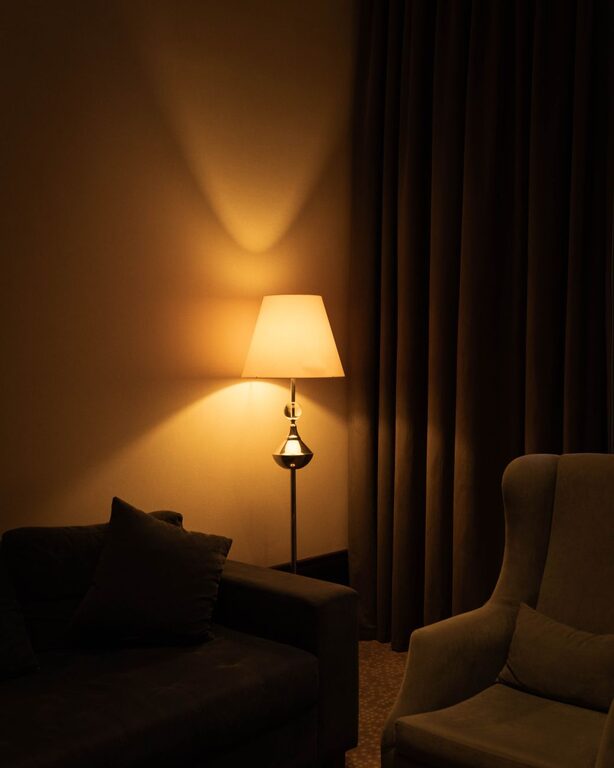
The right lighting can make a home feel warm, practical, and inviting. It can help define different areas, highlight favorite features, and make everyday tasks easier. However, choosing comfortable lighting involves more than selecting attractive fixtures. Brightness, color, placement, and flexibility all affect how a room feels.
With a few thoughtful choices, you can create lighting that works well throughout the day and suits the way you use each space.
Start With the Room’s Purpose
Before buying a light fixture or bulb, consider what happens in the room. A kitchen used for cooking and homework may need brighter, more focused light than a bedroom designed for relaxing.
Ask yourself:
– What activities take place in this room?
– Does the room need general light, task light, or both?
– Is natural light available during the day?
– Will people use the space at different times?
– Are there areas that currently feel too dark or too bright?
A room often needs more than one type of lighting. For example, a living room may benefit from ceiling lighting for general use, floor lamps for reading, and small accent lights for a softer evening atmosphere.
Use Three Layers of Lighting
Comfortable rooms usually combine three basic types of lighting: ambient, task, and accent lighting. Using all three creates a balanced space and gives you more control.
Ambient Lighting
Ambient lighting provides general illumination. It may come from ceiling fixtures, recessed lights, wall-mounted fixtures, or several lamps placed around the room.
The goal is to create an even level of light without making the room feel harsh. Instead of relying on one very bright fixture, consider using multiple light sources. This can reduce strong shadows and help the room feel more relaxed.
Task Lighting
Task lighting is designed for specific activities. Examples include:
– Under-cabinet lights for kitchen counters
– Desk lamps for reading or computer work
– Vanity lights in a bathroom
– Reading lamps beside a bed or chair
– Pendant lights above a dining table or kitchen island
Task lighting should be bright enough for the activity but positioned to avoid glare. A desk lamp, for instance, should illuminate the work surface without shining directly into your eyes or reflecting off a screen.
Accent Lighting
Accent lighting adds visual interest and draws attention to selected features. It can highlight artwork, shelves, plants, architectural details, or decorative objects.
Small table lamps, picture lights, wall sconces, and adjustable spotlights can all serve this purpose. Accent lighting does not need to be bright. Its main role is to add depth and create a pleasant atmosphere.
Choose a Comfortable Color Temperature
Light bulbs are available in different color temperatures, usually measured in kelvins. Lower values produce warmer, more golden light, while higher values create cooler, bluer light.
Warm white light is often a comfortable choice for living rooms, bedrooms, dining rooms, and other relaxing spaces. It creates a cozy feeling and works well with wood, fabric, and warm-colored finishes.
Neutral or cool white light can be useful in kitchens, laundry rooms, workshops, and home offices where clear visibility is important. However, extremely cool light may feel stark in rooms intended for rest.
You do not need to use the same color temperature throughout your home. Instead, choose light that matches each room’s purpose. For a more consistent look, avoid placing bulbs with noticeably different color temperatures close together.
Pay Attention to Brightness
Brightness is commonly listed in lumens. More lumens mean more light, but higher brightness is not always better. An overly bright room can feel uncomfortable, especially when the light source is exposed or reflects off glossy surfaces.
Consider the size and color of the room. Dark walls and furniture absorb more light, while pale surfaces reflect it. A small room with light walls may need less illumination than a large room with darker finishes.
Dimmers are a simple way to improve flexibility. They allow you to adjust lighting for different activities, from bright cleaning light to a softer setting for dinner or conversation. Make sure the bulbs and fixtures you choose are compatible with dimmer switches.
Reduce Glare
Glare occurs when a light source is too bright, exposed, or reflected toward your eyes. It can make a room feel tiring and less comfortable.
To reduce glare:
– Choose fixtures with shades or diffusers.
– Position lamps so bulbs are not directly in your line of sight.
– Use curtains or blinds to control strong daylight.
– Place desk lamps to the side rather than directly behind a computer screen.
– Avoid aiming spotlights at glossy surfaces.
– Test lighting from the places where people usually sit or work.
A frosted bulb or fabric shade can soften light and spread it more evenly. In kitchens and bathrooms, matte finishes may help limit reflections from counters, mirrors, and tiles.
Place Fixtures at the Right Height
Fixture height affects both comfort and appearance. A pendant above a dining table should provide useful light without blocking conversation or views across the table. Wall sconces should be high enough to avoid direct glare but low enough to illuminate the intended area.
For bedside lamps, the bottom of the shade should generally be near shoulder height when you are sitting in bed. This helps direct light toward a book while keeping the bulb out of your eyes.
In a living room, floor lamps can be placed beside sofas or chairs for reading. Make sure cords do not cross walkways, and choose a stable base that will not easily tip over.
Make the Most of Natural Light
Natural light can make a room feel bright and welcoming during the day. Arrange furniture so it does not block windows, and use window treatments that let you control the amount of sunlight.
Light-colored curtains can soften direct sun while still allowing daylight into the room. Mirrors may help reflect light into darker areas, although they should be positioned carefully to avoid creating unwanted reflections.
Artificial lighting should work with natural light rather than compete with it. In rooms that change greatly throughout the day, layered lighting and dimmers make it easier to maintain a comfortable atmosphere.
Consider Controls and Smart Features
Simple controls can make good lighting even more useful. Place switches where they are easy to reach, and consider separate controls for different lighting layers. For example, ambient and accent lights do not always need to turn on together.
Timers, motion sensors, and smart bulbs can also add convenience. Motion sensors may be useful in entryways, closets, and hallways. Timers can turn on lamps before you arrive home or switch off decorative lighting at a chosen time.
Choose features based on your routine rather than adding technology for its own sake. Easy-to-use controls are often more valuable than a complicated system.
Check the Bulb and Fixture Together
A beautiful fixture may not provide comfortable light if it uses the wrong bulb. Check the fixture’s recommended bulb type, maximum wattage, shape, and base size before purchasing.
Also consider whether the bulb will be visible. If it is exposed, choose a bulb designed to look attractive and produce a comfortable glow. Fixtures with enclosed shades may need bulbs that do not become too hot.
When possible, test bulbs in the room before buying several. Lighting can look different depending on wall color, ceiling height, furniture, and nearby materials.
Create a Simple Lighting Plan
Start by listing the main lighting needs in each room. Then identify existing fixtures and areas that feel too dark, too bright, or difficult to use.
A basic plan might include:
- One source of general lighting
- Task lighting for important activities
- Accent lighting for warmth and visual interest
- Dimmers or separate switches for flexibility
- Bulbs with color temperatures suited to the room
Comfortable lighting does not require expensive fixtures or a complete redesign. Small changes, such as adding a lamp, replacing a harsh bulb, or installing a dimmer, can make a noticeable difference. By combining practical lighting with softer decorative sources, you can create rooms that feel useful, welcoming, and comfortable at any time of day.