

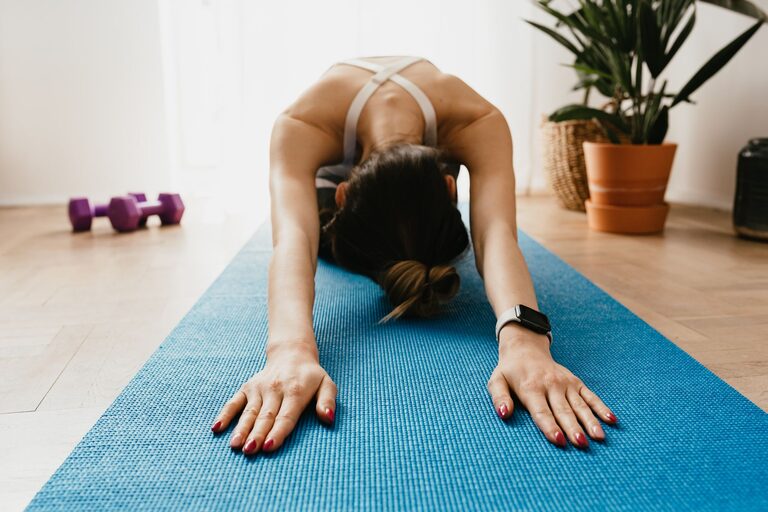
Stretching is a simple way to add movement to your day. It requires little space, no special equipment, and can be adapted to almost any fitness level. Whether you sit at a desk, enjoy regular workouts, or simply want to move more comfortably, a few minutes of stretching can become a useful part of your routine.
This beginner’s guide explains how to stretch at home, which movements to try, and how to build a safe, consistent habit.
Why Stretching Matters
Stretching moves your joints and muscles through a comfortable range of motion. When practiced regularly, it may help you feel less stiff and more prepared for everyday activities.
A short stretching routine can also be a helpful way to:
– Start or finish a workout
– Take a break from sitting
– Relax after a busy day
– Improve body awareness
– Support comfortable movement
– Create a calm transition into or out of exercise
Stretching is not a competition. You do not need to touch your toes or hold advanced positions to benefit. The goal is steady, comfortable movement rather than forcing your body into a particular shape.
Before You Begin
A few simple preparations can make stretching more comfortable and effective.
Choose a Comfortable Space
Find a clear area where you can extend your arms and legs without bumping into furniture. A carpeted floor, exercise mat, or folded towel can provide extra comfort.
Wear clothing that allows easy movement. Loose or stretchy clothes work well, but you do not need specialized workout clothing.
Warm Up First
It is usually more comfortable to stretch after a few minutes of gentle movement. Try walking around your home, marching in place, moving your arms, or taking a short walk.
A warm-up does not need to be intense. The purpose is simply to get your body moving before you hold longer stretches.
Use Slow, Controlled Movements
Move into each position gradually. Avoid bouncing, jerking, or making sudden changes in direction. Slow movements help you stay aware of how each stretch feels.
You should notice mild tension, but not sharp, intense, or worsening discomfort. If a movement feels painful, ease out of it and try a gentler position.
Beginner-Friendly Stretches
The following movements can form a simple full-body routine. Hold each stretch for about 15 to 30 seconds, breathe normally, and repeat once or twice on each side when needed.
Neck and Shoulder Stretch
Sit or stand with your back comfortably upright. Slowly lower your right ear toward your right shoulder without lifting the shoulder. Hold, then return to the center and switch sides.
For the shoulders, gently roll them backward in slow circles, then forward. Keep the movement relaxed and avoid shrugging forcefully.
These stretches can be useful after reading, working at a computer, or spending time on a phone.
Upper-Back Stretch
Stand or sit comfortably and reach both arms forward. Interlace your fingers or place your palms together, then gently round your upper back as you reach away from your body.
Keep your neck relaxed and avoid pulling your shoulders up toward your ears. You should feel a gentle stretch across your upper back and the area between your shoulder blades.
Chest Stretch
Stand beside a doorway or near a wall. Place one hand and forearm against the frame or wall, then slowly turn your body away until you feel a light stretch across your chest and the front of your shoulder.
Keep the movement small and controlled. Repeat on the other side.
Side Stretch
Stand with your feet about hip-width apart. Raise your right arm overhead and gently lean to the left. Keep both feet grounded and avoid twisting your body forward or backward.
Return to the center and repeat on the other side. This movement stretches the side of your torso and encourages gentle movement through your upper body.
Standing Hamstring Stretch
Place your right heel slightly in front of you with your toes pointing upward. Keep a soft bend in your left knee, then hinge forward slightly from your hips while keeping your back comfortably long.
You should feel the stretch along the back of your right leg. Avoid rounding deeply through your back or reaching forcefully toward your foot. Switch sides after holding the position.
Quadriceps Stretch
Stand near a wall or sturdy chair for balance. Bend your right knee and bring your heel gently toward your seat. Hold your ankle or pant leg if it is comfortable, keeping your knees close together.
Keep your torso upright and avoid pulling your foot sharply. If balancing is difficult, use both hands for support or skip this stretch until you feel more stable.
Calf Stretch
Place your hands against a wall. Step your right foot back, keeping the heel on the floor and the toes pointing forward. Bend your front knee slightly and lean toward the wall.
Keep your back leg comfortably extended without locking the knee. You should feel the stretch in your calf. Switch legs after holding the position.
Hip Stretch
Sit on the edge of a sturdy chair with both feet on the floor. Place your right ankle over your left thigh, creating a relaxed figure-four shape. Keep your back comfortably upright and lean forward slightly from your hips.
The stretch should feel gentle around the outer hip. Return to the starting position and repeat on the other side.
A Simple 10-Minute Routine
You can combine the movements above into a short routine:
- March gently in place for two minutes.
- Roll your shoulders backward and forward.
- Stretch your neck from side to side.
- Hold the upper-back stretch.
- Stretch each side of your chest.
- Perform the side stretch on both sides.
- Stretch each hamstring.
- Hold the quadriceps stretch on both sides.
- Stretch each calf.
- Finish with the seated hip stretch.
Move at a relaxed pace, breathing evenly throughout the routine. If you are short on time, choose three or four stretches and practice them consistently.
Common Beginner Mistakes
Stretching may look simple, but a few habits can make it less comfortable.
Stretching Too Forcefully
More intensity does not always mean better results. Forcing a position can make your muscles tense and may reduce your control. Stay within a comfortable range and increase it gradually over time.
Holding Your Breath
Many people hold their breath when concentrating. Instead, breathe slowly and naturally. Relaxed breathing can help you stay calm and notice how your body feels.
Comparing Yourself With Others
Flexibility varies from person to person. Factors such as daily activity, body structure, age, and experience can affect how a stretch feels. Focus on your own progress rather than matching someone else’s range of motion.
Rushing Through the Routine
A few slow, attentive stretches are often more useful than a long routine performed carelessly. Give yourself enough time to move in and out of each position with control.
How Often Should You Stretch?
Consistency is more important than creating a perfect routine. Many beginners can start with 5 to 10 minutes several times a week. You can also add short movement breaks during the day, especially after long periods of sitting.
As the routine becomes familiar, you may choose to stretch for 10 to 20 minutes. Keep the experience comfortable, and adjust the movements to suit your energy and schedule.
Listen to Your Body
Stretching should feel controlled and manageable. Stop a movement if you feel sharp pain, sudden discomfort, numbness, dizziness, or anything that feels unusual. Avoid stretching directly into pain.
If you have an injury, ongoing discomfort, or questions about which movements are appropriate for you, consider getting personalized guidance from a qualified professional before starting a new routine.
The best home stretching routine is one you can practice regularly and comfortably. Start with a few simple movements, breathe steadily, and give yourself time to improve. With patience, stretching can become an easy way to add more movement and awareness to your everyday life.