

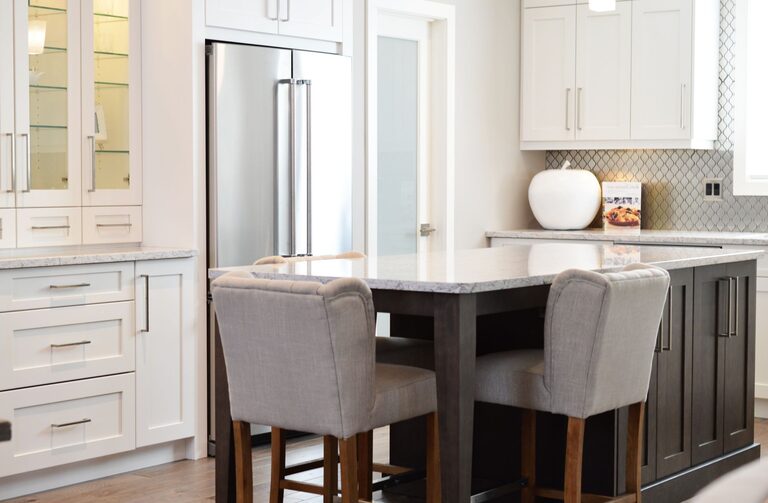
A clutter-free kitchen counter can make the entire room feel cleaner, calmer, and easier to use. When counters are covered with appliances, mail, dishes, and food containers, even simple tasks can feel frustrating. The good news is that you do not need a full kitchen remodel to create more open space.
With a few practical changes, you can decide what belongs on the counter, find better homes for everyday items, and build habits that keep clutter from returning.
Start With a Complete Clear-Off
The easiest way to organize your counters is to begin with a blank surface. Remove everything, including items you normally leave out. Place the items on a table, floor, or nearby surface while you sort.
This first step helps you see how much space you actually have. It also makes it easier to identify objects that have become part of the background and are no longer useful.
As you clear the counters, clean the surface with a suitable kitchen cleaner and a soft cloth. Pay special attention to areas beneath small appliances, containers, and utensil holders. A clean surface gives you a fresh starting point.
Sort Items Into Four Groups
Instead of putting everything back immediately, sort each item into one of four groups:
– Use daily: Items you use almost every day
– Use occasionally: Items needed weekly, monthly, or for special tasks
– Store elsewhere: Items that belong in a cabinet, drawer, pantry, or another room
– Remove: Broken, duplicate, expired, or unwanted items
Be honest about how often you use each object. An appliance that is used once or twice a year may not deserve permanent counter space. It can be stored in a cabinet, pantry, or closet and brought out when needed.
Also look for duplicates. Many kitchens have several sets of measuring cups, can openers, serving utensils, or food storage containers. Keeping the most useful version and letting go of extras can free up valuable room.
Choose What Deserves Counter Space
Not everything that is convenient to leave out needs to stay there. A helpful rule is to keep only items that meet at least one of these conditions:
- You use them every day.
- They are too large or heavy to store easily.
- They add useful function or visual appeal.
- They are part of a regular kitchen routine.
For example, a coffee maker, toaster, or knife block may be reasonable to keep on the counter if you use it often. A rarely used blender, specialty baking tool, or extra serving tray may be better stored elsewhere.
Try to leave some open space between items. Empty counter space is not wasted space; it gives you room to prepare meals and makes the kitchen easier to clean.
Create a Home for Every Item
Clutter often returns when items do not have a clear place to go. Give every frequently used object a specific home.
Use drawers for small tools, utensils, and measuring equipment. Store cutting boards vertically in a narrow rack or inside a cabinet. Keep food containers together, with their lids grouped nearby. Place everyday dishes and glasses in easy-to-reach cabinets.
If an item is always left on the counter because it is difficult to put away, consider whether the storage location is practical. Moving it to a more accessible shelf may solve the problem without requiring new storage products.
The goal is not to hide everything. The goal is to make putting things away simple enough that you will actually do it.
Make Better Use of Cabinets and Drawers
Many kitchens have unused vertical space inside cabinets. Shelf risers can create a second level for plates, mugs, or canned goods. An under-shelf basket can hold small packages or cleaning cloths. A pull-out organizer can make deep cabinets easier to use.
Drawers can also benefit from simple dividers. Use them to separate cooking utensils, measuring tools, napkins, and small gadgets. Grouping similar items prevents drawers from becoming crowded and difficult to search.
Before buying organizers, measure your cabinets and drawers. Choose products that fit the space and solve a specific problem. Too many containers can create more clutter rather than less.
Set Up a Small Appliance Routine
Small appliances often take over kitchen counters. Decide which ones should remain out and which ones should be stored.
Group appliances by how often you use them:
– Daily appliances: Keep them accessible, possibly on the counter.
– Weekly appliances: Store them in a convenient cabinet or pantry.
– Occasional appliances: Place them in higher or less accessible storage.
If several appliances are used together, store them in the same area. For example, baking equipment can be grouped on one shelf, while smoothie tools can be kept near the blender.
Always allow enough space around appliances that produce heat, and follow the manufacturer’s safety instructions.
Control Paper and Mail Clutter
Mail, receipts, school papers, and notes can quickly turn a kitchen counter into a drop zone. Create one designated location for paper instead of allowing it to spread across the room.
A small wall-mounted file holder, basket, or drawer can hold incoming papers. Sort through the collection regularly and recycle unwanted items. Important documents should be moved to a more permanent filing location rather than stored in the kitchen.
You can also keep a small notepad or shopping list in one place. This prevents loose notes from collecting beside the refrigerator, coffee maker, or sink.
Reduce Visual Clutter
Even useful items can make a counter look crowded when too many colors, labels, and containers are visible. Use a few simple strategies to create a more consistent appearance:
– Store food in matching containers when practical.
– Use one tray to group oils, spices, or coffee supplies.
– Keep cords neatly wrapped or routed behind appliances.
– Limit decorative objects to one or two meaningful pieces.
– Use baskets to group small items that need to remain accessible.
A tray is especially useful because it creates a visual boundary. Instead of several separate bottles scattered across the counter, a single tray makes the area look more organized and can be moved easily when cleaning.
Keep the Sink Area Under Control
The area around the sink is another common source of clutter. Limit the number of cleaning products left out. Keep only the soap, sponge, and brush you use regularly.
A small sink caddy can hold these items and allow water to drain. Store extra sponges, dishwasher supplies, and cleaning products under the sink or in a nearby cabinet.
Wipe the sink area at the end of the day. This simple habit prevents damp items, crumbs, and empty containers from building up.
Use a Five-Minute Reset
A quick daily reset is often more effective than a long organizing session every few months. At the end of the day, set a timer for five minutes and:
- Return appliances and tools to their homes.
- Put away food and dishes.
- Move mail and papers to their designated spot.
- Wipe the counters.
- Check for items that belong in another room.
If other people share the kitchen, invite them to take part in the reset. When everyone follows the same storage system, the counters are easier to maintain.
Review the System Regularly
Your kitchen organization should change as your routines change. Review the counters and storage areas every few months. Ask yourself which items are being used, which areas are difficult to maintain, and whether anything has become unnecessary.
A clutter-free counter is not about making the kitchen look perfect at all times. It is about creating a space that supports cooking, cleaning, and daily life. By keeping only useful items within reach, giving everything a home, and spending a few minutes resetting the room each day, you can maintain a kitchen that feels open and easy to use.