

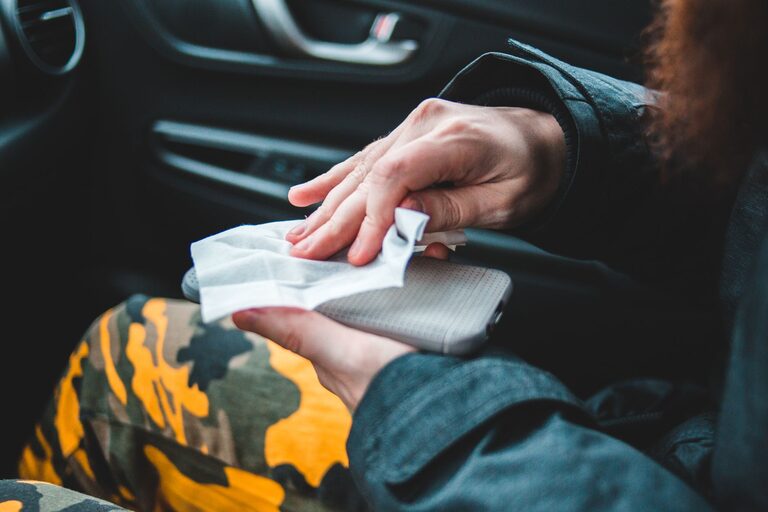
Keeping your phone and keyboard clean can help remove dust, fingerprints, crumbs, and everyday buildup. However, electronics need a careful approach. Too much liquid, harsh chemicals, or rough handling can damage screens, keys, ports, and protective coatings.
The good news is that safe cleaning does not require expensive equipment. With a few basic supplies and the right technique, you can freshen up your devices without putting them at risk.
Supplies You Will Need
Gather your cleaning supplies before you begin:
– A clean microfiber cloth
– Cotton swabs
– A soft, dry brush
– Distilled water
– Isopropyl alcohol, preferably around 70 percent, if approved by the manufacturer
– Mild dish soap for a slightly damp cloth, when appropriate
– Compressed air for a keyboard, used carefully
– A small bowl
– A toothpick or plastic cleaning tool for tight spaces
Avoid paper towels, tissues, abrasive sponges, bleach, window cleaner, ammonia, aerosol sprays, and strong solvents. These products may scratch surfaces, leave residue, or damage coatings and components.
Before using any cleaning liquid, check the care instructions from your phone or keyboard manufacturer. Some devices have special finishes that require specific products.
How to Clean Your Phone Safely
1. Turn Off and Unplug the Phone
Power off your phone before cleaning it. Disconnect any charging cable, headphones, or other accessories. If your phone has a removable case, take it off and clean the case separately.
Turning off the phone reduces the risk of accidental taps and helps prevent problems if a small amount of moisture reaches an opening.
2. Start With a Dry Microfiber Cloth
Use a clean, dry microfiber cloth to wipe the screen, back, and sides of the phone. Move gently in small circles or straight strokes. Do not press hard, especially on the screen.
A dry wipe often removes fingerprints and loose dust without the need for liquid. It is also the safest first step for phones with delicate screen coatings.
If dust is visible around the edges, use a soft, dry brush to loosen it. Work slowly around the speaker grille, camera area, buttons, and seams.
3. Use a Slightly Damp Cloth for Stubborn Marks
For smudges that do not come off with a dry cloth, lightly dampen one corner of the microfiber cloth with distilled water. The cloth should be damp, not wet. Never spray water directly onto the phone.
Wipe the surface gently, then use the dry part of the cloth to remove remaining moisture. Keep liquid away from the charging port, speaker openings, microphone holes, SIM tray, and buttons.
If the manufacturer permits it, you can use a small amount of 70 percent isopropyl alcohol on the cloth instead of water. Apply it to the cloth, never directly to the phone. Do not soak the cloth, and avoid repeated heavy use on surfaces that may have special coatings.
4. Clean the Ports With Care
Dust and lint can collect in charging ports, but these areas are easy to damage. Hold the phone with the opening facing downward and use a soft, dry brush to loosen visible debris.
You may also use a wooden toothpick or plastic tool very gently around the edges. Avoid metal objects, sharp needles, and forceful scraping. Never push debris deeper into the port.
Compressed air is not always recommended for phones because strong pressure can move dust farther inside. If your manufacturer allows it, use short, gentle bursts from a distance. Do not use high-pressure air.
5. Clean the Case Separately
Plastic and silicone cases can usually be cleaned with a microfiber cloth dampened with water and a small amount of mild dish soap. Wipe the case, then rinse it carefully if appropriate and dry it completely before putting it back on the phone.
For leather or fabric cases, follow the care instructions. These materials may stain or become damaged by water and alcohol. Make sure the case is fully dry before reinstalling it.
How to Clean a Keyboard Safely
Keyboards collect dust and crumbs between the keys, especially when used while eating or drinking. Cleaning is easier when you work slowly and avoid allowing liquid to enter the keyboard.
1. Disconnect the Keyboard
Turn off a wireless keyboard and remove its batteries if possible. Unplug a wired keyboard from the computer. For a laptop, shut it down completely and disconnect the charger.
Never clean a powered keyboard with a wet cloth. Keeping the device disconnected reduces the chance of electrical damage.
2. Remove Loose Debris
Turn the keyboard upside down and gently tilt or shake it over a clear surface. Do not bang it against a desk, since hard impacts can loosen keys or damage internal parts.
Use a soft brush to sweep debris from between the keys. For a removable desktop keyboard, compressed air can help remove dust. Hold the keyboard at an angle and use short bursts rather than a continuous blast.
Keep the air can upright and follow the product instructions. Avoid spraying too closely or at extreme pressure.
3. Wipe the Keys and Surface
Dampen a microfiber cloth very lightly with water or an approved electronics-safe cleaner. Wipe the key tops, edges, palm rest, and surrounding surface.
For a desktop keyboard, you can apply a small amount of 70 percent isopropyl alcohol to the cloth if the manufacturer allows it. Never pour or spray cleaner onto the keyboard.
Use cotton swabs to clean around individual keys. The swab should be only slightly damp. Replace it when it becomes dirty so that you do not spread grime across the surface.
4. Be Careful With Laptop Keyboards
Laptop keys can be more delicate than desktop keyboard keys. Avoid removing them unless the laptop manufacturer specifically provides instructions. Key mechanisms can break easily and may be difficult to reinstall.
Do not insert tools underneath the keys. Instead, use a soft brush, gentle air, and a lightly dampened cloth on the exposed surfaces.
If liquid spills into a laptop keyboard, turn the laptop off immediately, disconnect the charger, and avoid turning it back on until it has been checked or has dried according to the manufacturer’s guidance. Do not use a hair dryer, heater, or other high-heat source.
Common Cleaning Mistakes to Avoid
Keep these precautions in mind:
– Do not spray cleaner directly onto either device.
– Do not submerge electronic devices or rinse them under a tap.
– Do not use bleach, glass cleaner, or abrasive products.
– Do not clean devices while they are plugged in.
– Do not use metal tools to remove debris.
– Do not press hard on screens or keys.
– Do not use a device until any moisture has completely dried.
– Do not share one dirty cloth between multiple surfaces without washing it.
How Often Should You Clean?
A quick dry wipe once or twice a week can prevent buildup on a phone. Clean the keyboard whenever you notice visible dust, crumbs, or sticky keys. If you regularly eat near your devices, they may need attention more often.
The most important habits are simple: keep liquids away from openings, use soft materials, and follow the manufacturer’s instructions. Gentle, regular cleaning is safer and more effective than aggressive cleaning done only occasionally.