

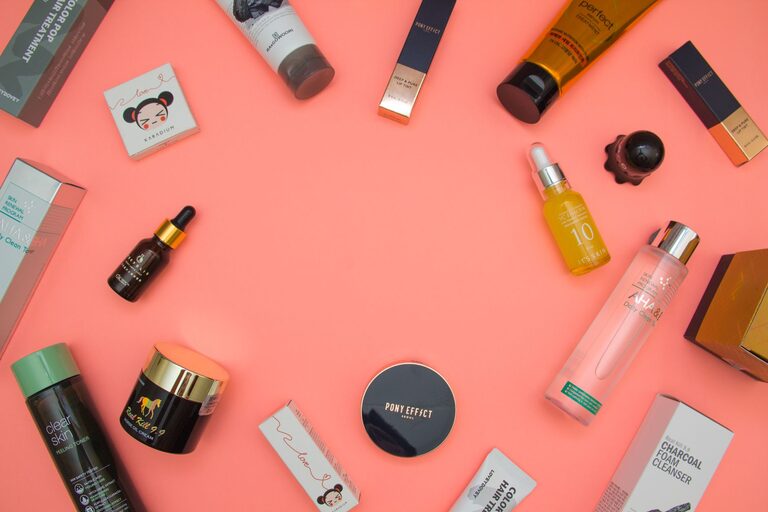
A skincare routine does not need to be complicated or expensive. For most people, a few consistent steps can help keep the skin clean, comfortable, and protected throughout the day. The best routine is one you can follow regularly and adjust as your needs change.
This beginner-friendly guide explains the essential products, the order to use them, and how to choose options that suit your skin.
Start With the Essentials
A basic skincare routine usually includes three main products:
- **Cleanser:** Removes dirt, oil, sweat, and makeup.
- **Moisturizer:** Helps keep the skin soft and supports its natural moisture barrier.
- **Sunscreen:** Helps protect the skin from ultraviolet, or UV, exposure during the day.
You can add other products later, but starting with these basics makes it easier to understand how your skin responds. Using too many products at once can make it difficult to identify what works well or what may cause irritation.
Identify Your Skin Type
Your skin type can help guide your product choices. Keep in mind that skin can change with the weather, age, stress, and other everyday factors.
Normal Skin
Normal skin generally feels comfortable and balanced. It may not be especially oily or dry, though occasional changes are common.
Dry Skin
Dry skin may feel tight, rough, or flaky, especially after cleansing. Cream-based cleansers and richer moisturizers may feel more comfortable.
Oily Skin
Oily skin may look shiny or feel greasy, particularly around the forehead, nose, and chin. Lightweight, non-greasy products can be a good starting point.
Combination Skin
Combination skin often has oilier areas and drier areas. You may prefer lightweight products overall, with extra moisturizer applied to areas that feel dry.
Sensitive Skin
Sensitive skin may become uncomfortable, red, or irritated easily. Look for simple formulas with fewer ingredients and avoid adding several new products at the same time.
If you are unsure of your skin type, start with gentle products and pay attention to how your skin feels after cleansing and throughout the day.
A Simple Morning Routine
A morning routine helps clean the skin and prepare it for the day.
1. Cleanse Gently
Use a mild cleanser with lukewarm water. Apply it with clean fingertips and rinse without scrubbing. Very hot water and rough towels can leave the skin feeling dry or uncomfortable.
If your skin feels tight immediately after cleansing, the cleanser may be too drying, or you may be washing too often. Many people only need a gentle cleanse in the morning, while others prefer rinsing with water and cleansing at night.
2. Apply Moisturizer
Moisturizer helps reduce dryness and keeps the skin feeling comfortable. Apply it while the skin is slightly damp if that feels helpful.
Choose a texture that suits your preferences:
– Gel moisturizers often feel light and refreshing.
– Lotions are easy to spread and work well for many skin types.
– Creams usually feel richer and may suit dry skin.
Even oily skin can benefit from moisturizer. Skipping it may leave the skin feeling uncomfortable and can encourage some people to overuse harsh products.
3. Finish With Sunscreen
Apply a broad-spectrum sunscreen during the day, including on cloudy days or when spending time near windows or outdoors. Follow the product directions, and reapply as recommended, especially after sweating, swimming, or extended outdoor activity.
Use enough to cover commonly exposed areas such as the face, ears, neck, and hands. Sunscreen is one of the most useful daily skincare steps because it helps protect the skin from UV exposure.
A Simple Evening Routine
An evening routine removes the day’s buildup and gives your skin a chance to stay moisturized overnight.
1. Remove Makeup and Sunscreen
If you wear makeup or water-resistant sunscreen, use a makeup remover, cleansing balm, or cleansing oil according to the product instructions. Follow with a gentle cleanser if needed.
Avoid pulling or rubbing the skin around the eyes. A soft cotton pad or clean fingertips can help remove products more comfortably.
2. Cleanse
Use your gentle cleanser to remove remaining dirt, oil, and product residue. Massage it over the skin briefly, then rinse well.
Cleansing twice in one session is not necessary for everyone. If your skin feels dry afterward, try a simpler approach or use fewer cleansing products.
3. Moisturize
Apply moisturizer after cleansing. A slightly richer formula may feel comfortable at night, but the best choice depends on your skin type and personal preference.
A basic evening routine can be just cleanser and moisturizer. You do not need a separate night cream unless you enjoy using one or prefer its texture.
Add Extra Products Slowly
Once your basic routine feels comfortable, you may choose to add one additional product for a specific goal, such as improving the look of uneven texture or supporting a smoother appearance.
Introduce only one new product at a time. Use it as directed and give your skin time to adjust before adding something else. This approach makes it easier to notice whether the product is useful or irritating.
Before applying a new product to your entire face, consider testing a small amount on a limited area. Stop using a product if it causes significant discomfort, swelling, or a persistent reaction. For ongoing or concerning skin problems, a qualified dermatologist can provide personalized guidance.
Common Beginner Mistakes
A few simple habits can make a routine less effective or less comfortable.
– Using too many products: More steps do not always mean better results.
– Scrubbing aggressively: Rough exfoliation can make the skin feel irritated.
– Changing products too often: Give your routine time to become consistent.
– Skipping sunscreen: Daily protection is important when using products that leave skin more sensitive to sunlight.
– Ignoring product instructions: Follow directions for how much to use and how often to apply it.
– Sharing products: Sharing makeup or skincare items can transfer oil, dirt, and germs.
– Forgetting the neck and hands: These areas may also receive regular sun exposure.
Make Your Routine Easy to Maintain
Consistency matters more than complexity. Store your products where you will see them, such as near your toothbrush or bedside table. Keep the routine short enough that it fits naturally into your day.
You can also create a simple checklist:
Morning: Cleanser, moisturizer, sunscreen
Evening: Makeup removal if needed, cleanser, moisturizer
Keep product containers closed and check expiration guidance. Wash your hands before applying skincare, especially if you are using a jar product.
Final Thoughts
Starting a skincare routine is mostly about building a few dependable habits. Begin with a gentle cleanser, a comfortable moisturizer, and daily sunscreen. Pay attention to how your skin feels, add new products slowly, and avoid making frequent changes.
A simple routine that you follow consistently is often more useful than a complicated routine filled with products you rarely use.